Ah, insulation! The unsung hero that keeps our homes cozy in the winter and cool in the summer. Bet you didn’t wake up today thinking you’d be reading a hilariously peppy guide to insulation, did you? Well, buckle up, buttercup, because we’re diving into the world of insulation like it’s the latest fashion trend. Think of me as your insulation stylist, here to help you choose the best options for energy efficiency. Let’s jump right in!
Understanding Insulation: It’s More Than Just Fluffy Stuff
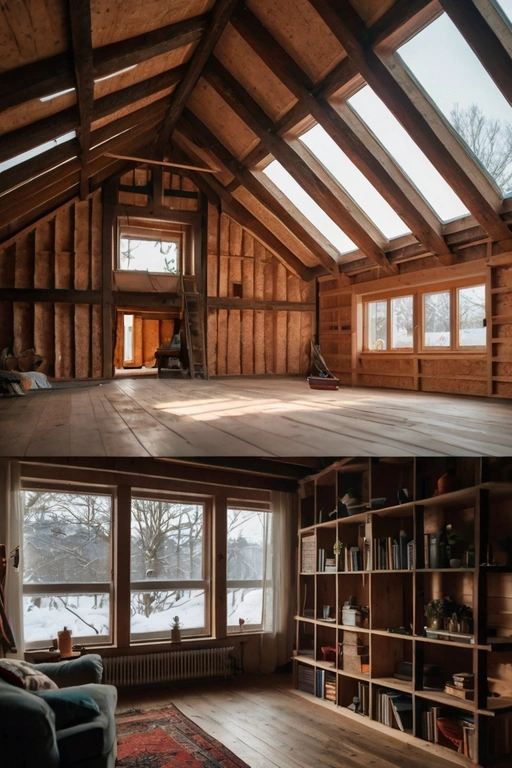
Alright, first things first. What the heck is insulation? Picture that thick, fluffy blanket you love to wrap yourself in on a cold night. Insulation is like that blanket but for your house. It acts as a barrier, keeping the indoor climate consistent by resisting the flow of heat. This means your heating and cooling systems don’t have to work as hard, saving you money and helping the environment. Win-win, right?
But, not all insulation is created equal. There are different types, each with its own superpowers. Let’s break it down, shall we?
Types of Insulation: From Batts to Blown-In
- Batt and Roll InsulationImagine your favorite roll of cookie dough, filled with fiberglass or mineral wool. That’s batt and roll insulation for you! It comes in pre-cut panels that fit snugly between the studs in your walls, making it a popular choice for new constructions.
Pros: Easy to install, affordable, and readily available.
Cons: Can leave gaps if not fitted properly, which can make it less efficient. - Spray Foam InsulationThink of this as the whipped cream of the insulation world. Spray foam expands and fills in all the nooks and crannies, creating an airtight seal. It’s perfect for those tricky spots where other insulation just doesn’t cut it.
Pros: Excellent at sealing gaps, high R-value (insulation power), and great for irregular spaces.
Cons: Can be pricey and usually requires professional installation. - Blown-In InsulationEver seen those confetti cannons at a party? Blown-in insulation works similarly but with cellulose or fiberglass. It’s sprayed into your attic or walls, filling every crevice with ease.
Pros: Good for retrofits, fills gaps well, and offers decent R-value.
Cons: Can settle over time, may require top-ups, and can be messy to install.
Where to Insulate: It’s All About the Placement
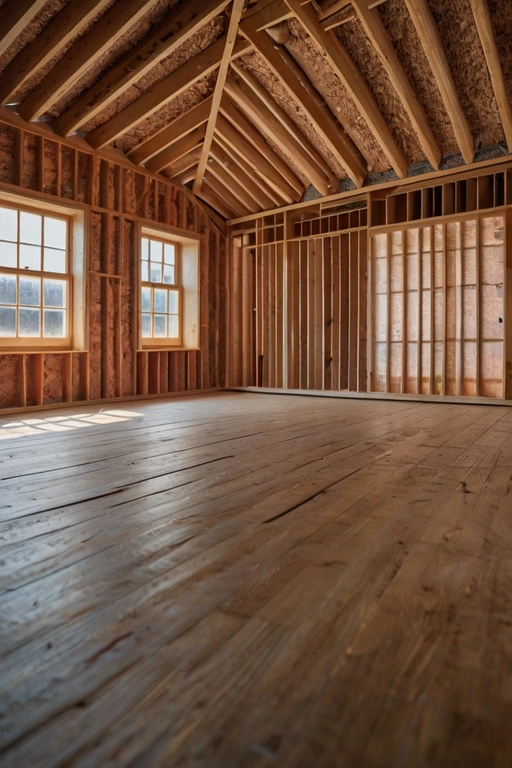
Alright, now that we’ve sorted out the types, where on earth do you put this stuff? You don’t just throw it anywhere like confetti at a parade. Strategic placement is key to maximizing energy efficiency.
- AtticThe attic is like the crown of your home. If it’s not insulated properly, you’re basically letting all your hard-earned warm (or cool) air escape through the roof. Aim for about 10-14 inches of insulation here.
- WallsYour walls are the defenders of your indoor climate. Batt insulation works wonders here, but so can blown-in if you’re retrofitting an older home.
- Floors and BasementsDon’t forget the floors and basements! Cold floors can make your home feel like a tundra. Insulating these areas can help keep the chills at bay and make your home more comfortable.
The R-Value: The Gold Standard of Insulation
Okay, let’s talk about the R-value. No, it’s not a term from a sci-fi movie. The R-value measures how well a material resists heat flow. The higher the R-value, the better the insulation. It’s like the SPF rating on your sunscreen—the higher, the better protection you get.
Here’s a quick cheat sheet:
- Fiberglass Batts: R-2.9 to R-3.8 per inch
- Spray Foam: R-3.7 to R-6.5 per inch
- Blown-In Cellulose: R-3.1 to R-3.7 per inch
DIY or Professional: That is the Question

Now, should you don your DIY hat and tackle this yourself, or is it time to call in the pros? Here’s the scoop:
- DIY: Batt and roll insulation can be a fun weekend project if you’re handy with tools. It’s like knitting a cozy sweater for your home!
- Professional: For spray foam or blown-in insulation, it’s best to call in the experts. They have the tools and know-how to get the job done right.
Conclusion: The Final Wrap-Up
So, there you have it, folks! Insulation might not be the sexiest topic on the block, but it’s one of the most important when it comes to energy efficiency. Whether you go for the batt and roll, spray foam, or blown-in, remember that the key is proper installation and strategic placement. Now, go forth and insulate like the fabulous homeowner you are!
Choosing the right insulation is like finding the perfect pair of jeans—it needs to fit well, be comfortable, and offer great value. So, put on your insulation stylist hat and make your home the coziest, most energy-efficient place on the block.
Stay warm (or cool), and happy insulating!