So, you’re sitting on your couch, sipping coffee, living your best life when—splat! A big, fat, annoying drop of water lands right on your forehead. Oh, the horror! Roof leaks and water damage are the uninvited guests that can turn your happy home into a soggy nightmare. But fear not, my friend! We’re diving headfirst into this wet and wild topic with humor, wisdom, and a sprinkle of pizzazz. Let’s get that roof leak under control, shall we?
Understanding the Enemy: What Causes Roof Leaks?
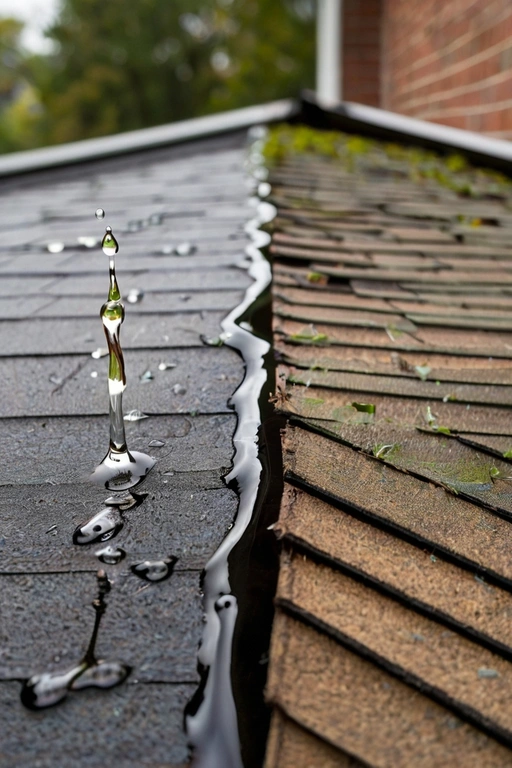
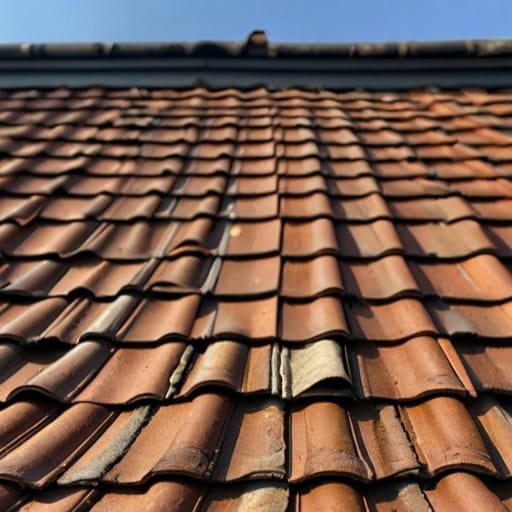
First things first, let’s get acquainted with the culprits. Roof leaks are sneaky—they can come from an array of sources, like a bad rom-com villain. Broken shingles, for example, are like the diva actresses who refuse to cooperate. The wind blows a little too hard, and bam! They’re off on a solo career.
Then there’s clogged gutters. Think of them as the friend who promises to help you move but conveniently forgets. When they get blocked, water can’t flow where it needs to, and it starts throwing a tantrum all over your roof.
And how could we forget damaged flashing? Flashing is like the unsung hero of your roof, ensuring water doesn’t sneak into the vulnerable parts. When it’s damaged, it’s like leaving your front door wide open for burglars—only in this case, it’s water and not burglars that get in.
Quick Fixes: Handling Minor Roof Leaks Like a Pro

So, you’ve identified the troublemaker. Now, what? First, don your superhero cape—or, you know, some old clothes because things are about to get messy!
- Locate the Leak: This might involve a bit of detective work, but channel your inner Sherlock Holmes. Water stains on the ceiling? Check! Are drips coming from the attic? Check!
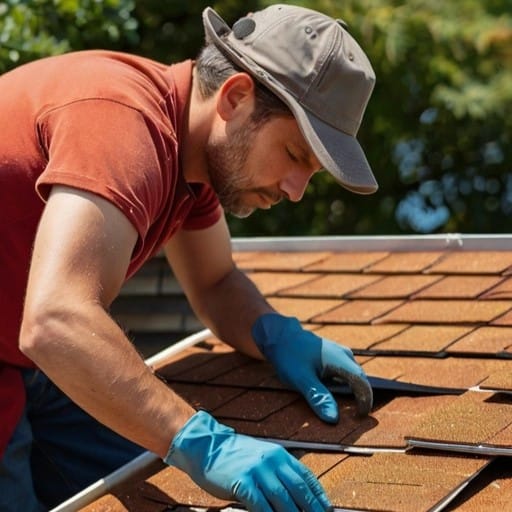
- Temporary Patch: Use roofing tape or a tarp as a temporary fix. Think of it as putting a band-aid on a cut. It won’t heal the wound, but it’ll stop the bleeding until you get professional help.
- Clean the Area: Clear away any debris, leaves, or other gunk around the leak. It’s like cleaning up before guests arrive—no one wants to see that mess!
- Apply Roofing Caulk: Seal up minor cracks with the roofing caulk. It’s like using superglue but way more satisfying. Make sure to smooth it out for a clean finish.
When to Call in the Cavalry: Seeking Professional Help

Alright, you’ve tried your best, but the leaks are still waging war on your peace of mind. Sometimes, it’s best to call in the experts—cue the heroic music!
- Persistent Leaks: If your patch job didn’t hold up or if new leaks keep popping up like unwanted pimples, it’s time for professional intervention.
- Massive Damage: When the damage is more extensive than your DIY prowess can handle, step aside and let the pros do their thing. It’s like trying to bake a seven-layer cake when you’ve barely mastered cookies.
- Peace of Mind: Sometimes, having a professional assure you that your roof is in tip-top shape is worth every penny. It’s like having a spa day for your home!
Preventive Measures: Keeping Roof Leaks at Bay
An ounce of prevention is worth a pound of cure, right? So, let’s talk about keeping that pesky water out of your house for good.
- Regular Inspections: Think of roof inspections as annual doctor visits. A little check-up can catch issues before they become headaches. Look for broken shingles, damaged flashing, and clogged gutters.
- Gutter Maintenance: Keep those gutters clean! Whether you do it yourself or hire someone, clearing out the debris will save you from future water woes. It’s like brushing your teeth—annoying but essential.
- Trim Overhanging Branches: Trees are lovely, but those branches can act like bridges for critters and cause damage. Trim them back to keep your roof safe and sound.
In conclusion, dealing with roof leaks and water damage doesn’t have to be a downer. With a bit of know-how, some DIY spirit, and the wisdom to call in professionals when needed, you can keep your home dry and cozy. Remember, a happy home is a leak-free home. Stay dry, my friends!